
“Custom” gets thrown around a lot in web design. Here’s what it concretely means for a food blogger switching over from a template-based system like Feast — and what changes in practice.
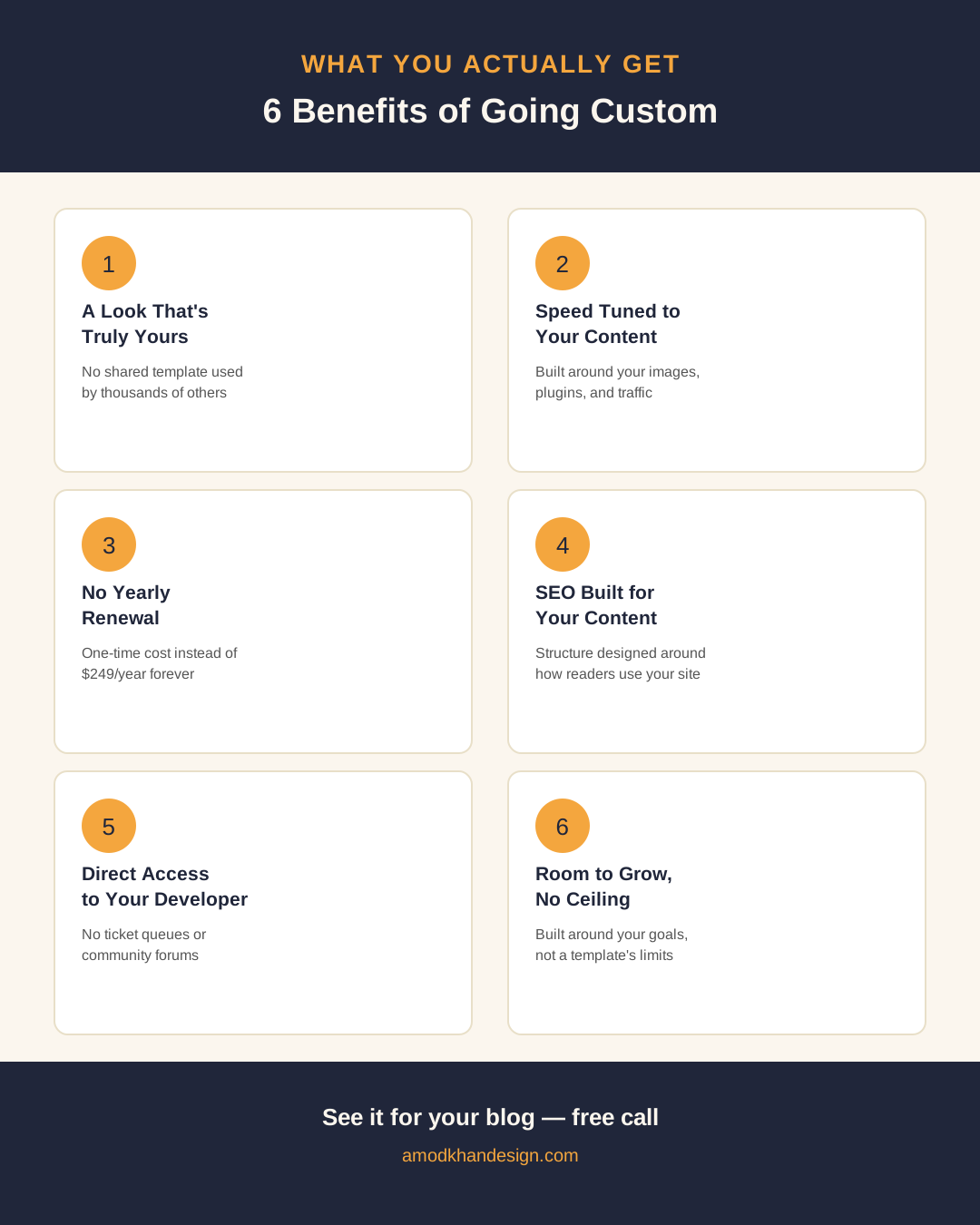
1. A Site That Looks Like No One Else’s
Every layout choice — homepage structure, recipe card design, category pages, navigation — is built around your brand, not a shared template used by thousands of other blogs. Readers start recognizing your site the way they recognize your recipes.
2. Speed Built Around Your Actual Content
Instead of generic optimization settings meant to work “well enough” across many different sites, a custom build is tuned specifically for your image sizes, your plugin stack, and how your pages are actually structured. This is usually where the biggest Core Web Vitals and ad RPM improvements come from.
3. No Yearly Renewal
A custom build is typically a one-time cost. You’re not paying $249/year indefinitely just to keep your current design and functionality working. Over a few years, that difference adds up — and the money stays in your pocket instead of going to a subscription.
4. SEO Structure Designed for Your Content, Not a Template Average
Category structure, internal linking, and page architecture can be built specifically around how your content is organized and how your readers actually navigate — rather than a generic best-practice setup meant to apply broadly.
5. Direct Access to the Person Who Built Your Site
No ticket queues, no waiting on community forum answers. If something needs adjusting, you’re talking directly to the developer who knows your exact setup — which usually means faster fixes and fewer generic answers.
6. Room to Grow Without Hitting a Ceiling
Templates are built to serve a wide range of users, which means there’s always a limit to how far you can customize before you’re fighting the system. A custom site is built with your specific goals in mind from day one, so there’s no ceiling to “unlock” later.
The Bottom Line
Switching isn’t about Feast being bad — it’s about outgrowing a general-purpose tool once your blog becomes a serious, income-generating business. Custom development is simply built around one blog: yours.
Want to see what this would look like for your specific blog? Book a free 15-minute call — I’ll walk you through real examples and give you a straight answer on cost and timeline.